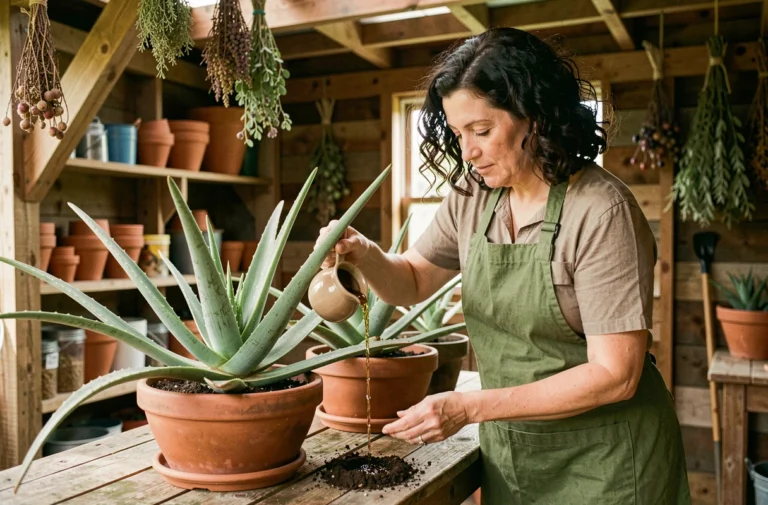
Transforming a house into an ecological sanctuary is not limited to simple one-off gestures; it is a commitment at every moment to an environmentally friendly lifestyle. This involves revisiting our domestic habits by opting for greener solutions: renewable energy, efficient insulation, eco-responsible building materials, and responsible waste management. Every choice, from energy-saving bulbs to biodegradable cleaning products, contributes to reducing our carbon footprint. Cultivating a vegetable garden, installing a rainwater collector, or simply prioritizing recycling are actions within reach to promote a healthy environment.
Optimizing energy consumption: heating, lighting, and appliances
Energy performance and autonomy define the house of tomorrow. Reduce your energy bill and minimize environmental impact through optimized thermal insulation, the cornerstone of an energy-efficient home. Installing double-glazed windows is essential to maintain warmth in winter and coolness in summer, while also improving visual and acoustic comfort. The rigorous selection of high-energy-efficiency appliances is a crucial step in reducing overall energy consumption.
Adopting renewable energies such as photovoltaic solar panels or a home wind turbine places your home on the path to energy self-sufficiency. Solar panels, by capturing sunlight, produce clean electricity that can be consumed directly or fed back into the grid. In suitable areas, the home wind turbine complements this approach by generating electricity, especially during windy periods, for optimal energy coverage.
The integration of alternative solutions in the daily management of the home, such as the installation of dry toilets from IKEA, demonstrates a commitment to a coherent ecological approach. These systems, which avoid wasting water, align with a logic of sustainable consumption and respect for the environment. Through these choices, the home becomes not only a comfortable living space but also a contributor to the preservation of our planet.

Eco-friendly actions and reducing ecological footprint in daily life
At the heart of an eco-responsible approach, simple eco-friendly actions can be adopted to significantly reduce personal ecological footprint. Selective sorting, waste reduction, recycling, and composting are no longer options but necessities. Recycle glass, paper, and plastics, and compost your organic waste to give materials a second life and enrich the soil in your garden. Simple actions that, when combined, have a real impact on environmental preservation.
In line with these practices, selecting eco-friendly materials such as sheep wool or linen for insulating your home contributes to more sustainable consumption. These materials, beyond their low environmental impact during production, have excellent insulating properties and naturally regulate humidity, thus contributing to increased thermal comfort and an energy-autonomous home.
Explore the benefits of hydropower and geothermal energy, viable alternatives for environmentally friendly energy production. Hydropower, by harnessing the kinetic energy of water, and geothermal energy, by utilizing the Earth’s internal heat, contribute to the transition towards a circular economy where every resource is valued. Join this movement, where each individual, through their daily choices, weaves the fabric of a society that is more respectful of its environment.