
A real estate project involves several months of procedures, mobilizes various skills, and requires coordinating stakeholders who do not always speak the same language. The notion of “tailor-made” applied to real estate refers to a provider’s ability to adapt each step of the journey (search, financing, technical audit, signing) to the specific constraints of the buyer or seller, rather than offering a standardized process.
Energy constraints and real estate projects: the DPE as a decision filter
Since January 2025, homes classified G in the energy performance diagnosis can no longer be offered for rent. Class F will follow in 2028, and class E in 2034. This regulatory evolution fundamentally changes the approach to purchasing.
A truly personalized support now integrates, from the search phase, the estimated cost of energy renovation work and the potential loss of rental value if the property does not comply with the regulatory timeline. Buying an apartment classified F without anticipating compliance costs amounts to ignoring a financial burden that can represent a significant part of the total budget.
The method of calculating the DPE has also evolved in 2026, which may change the label of certain homes heated by electricity. A property reclassified into a more favorable category gains rental attractiveness, while a downgraded property loses liquidity in the market. Buyers relying on the real estate services of Alter Ec Home benefit from a framework that takes these technical parameters into account even before the first visit.
For investors focused on seasonal rentals, the Le Meur law of November 19, 2024, requires a DPE for certain furnished tourist accommodations located in municipalities subject to usage change authorization, with a classification requirement between A and E for the new requests concerned. This aspect remains largely absent from traditional support focused on primary residences.

Custom financial setup: coordinating mortgage and renovation loans
Financing a project is not limited to just the mortgage. When a property requires renovation, the financial setup often combines a mortgage, renovation loan, and sometimes consumer credit. Each envelope follows different rules regarding rates, duration, and guarantees.
From November 20, 2026, the conditions for renovation loans will evolve. Tailored support anticipates these changes to propose a setup adapted to the construction schedule and the borrower’s repayment capacity.
Parameters to consider before signing
- The distribution between personal contribution, main loan, and renovation loan, taking into account the maximum debt ratio authorized by the HCSF
- The sequencing of fund releases, to avoid paying interim interest on work that starts several months after the purchase
- Eligibility for energy renovation aids (MaPrimeRénov’ or zero-interest eco-loan), which can reduce the remaining cost and modify the balance of the financing plan
A provider who merely connects you with a broker without analyzing these interactions does not offer a tailored service. The added value lies in the coordination between the technical diagnosis of the property and the financing strategy.
Tight real estate market: adapting the search to local realities
Construction professionals report a contraction in the supply of new housing for several quarters. This shortage results in extended search times and increased competition among buyers, especially in urban areas where demand structurally exceeds supply.
In this context, personalized support does not simply mean sending email alerts about new listings. It involves a deep understanding of the local market, the ability to identify properties before they are publicly listed, and a network of contacts among sellers and notaries in the area.
What distinguishes generic support from targeted service
A precise specification reduces the number of unnecessary visits. Rather than visiting a dozen properties in hopes of finding a gem, structured support begins by defining non-negotiable criteria (surface area, location, budget including renovation costs, minimum energy performance) and adjustable criteria.
This method allows for focusing efforts on properties that truly match the project. It also avoids hasty decisions under the pressure of a tight market, where the fear of “missing a deal” sometimes leads to purchasing an unsuitable property.
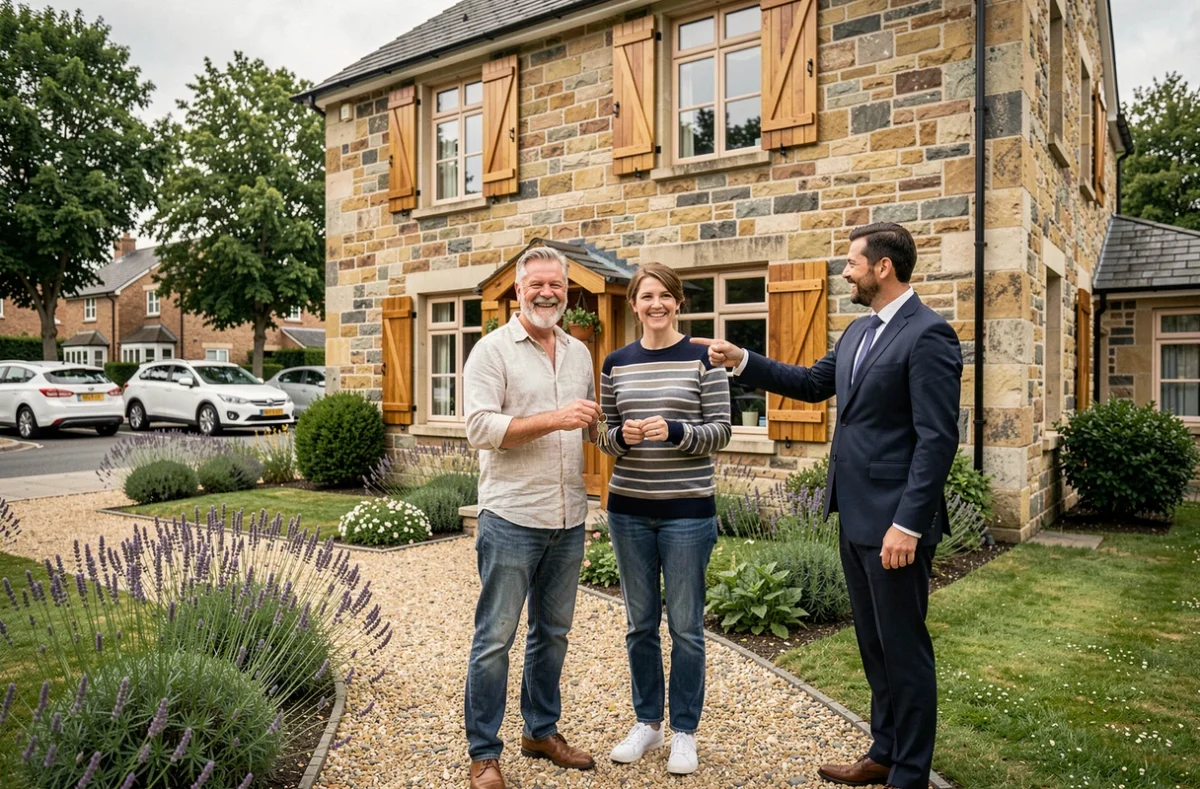
Real estate sale and property valuation: preparing the file in advance
For sellers, tailor-made takes another form. A properly valued property sells faster and at the right price. Valuation is not limited to home staging or professional photos. It starts with the preparation of a complete technical file.
- The up-to-date DPE, with a simulation of the cost of bringing it up to standard if the classification is unfavorable, to anticipate buyers’ objections
- The mandatory diagnostics (asbestos, lead, termites depending on the geographical area), completed before the sale to avoid delays at the compromise
- A statement of condominium charges for the last three years and the building’s maintenance log, often requested by informed buyers
Preparing these elements before the first visit speeds up the transaction and reduces the risk of late renegotiation. Tailored support takes care of this preparation rather than fully delegating it to the seller.
The real estate market in 2026 rewards well-prepared projects. Whether the goal is a purchase, a sale, or a rental investment, the coordination between technical diagnosis, financial strategy, and knowledge of the local market makes the difference between a project that concludes under good conditions and a journey fraught with unpleasant surprises.