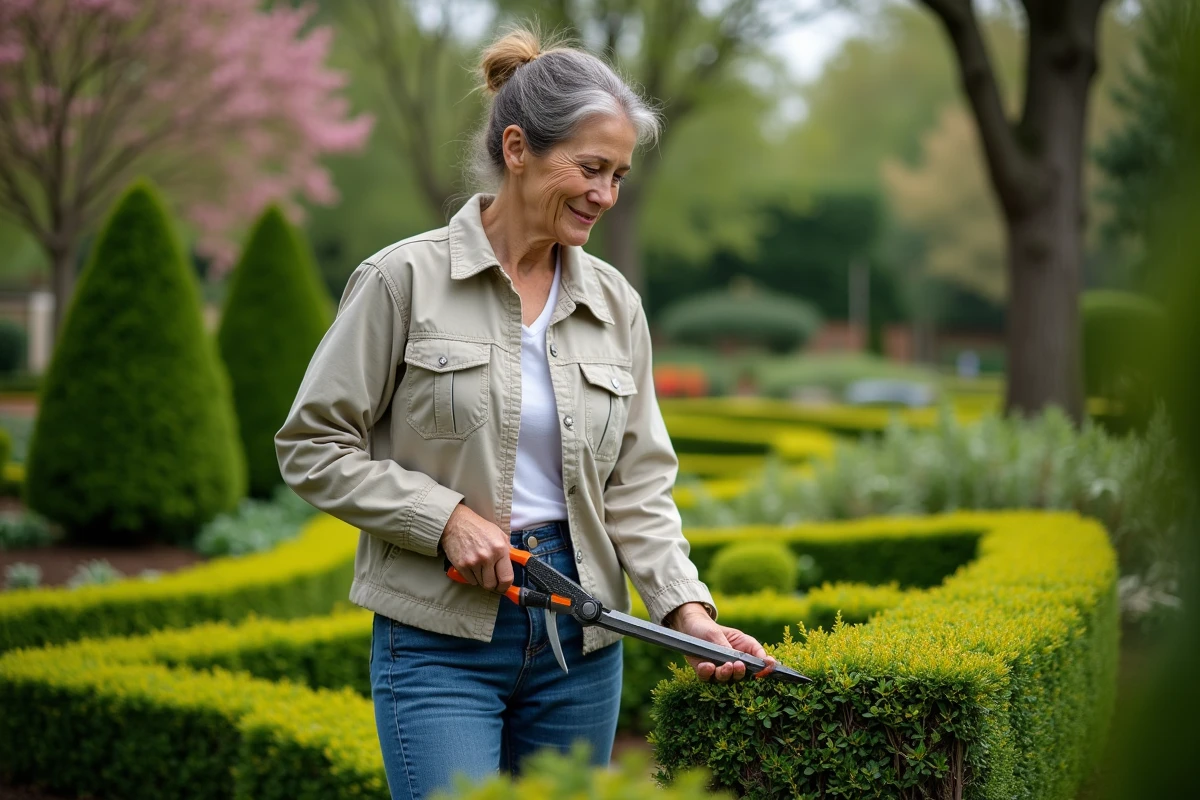
Centimeter by centimeter, hedges once too tame are transforming into living sculptures, defying classicism to become a field of expression. Topiary, long reserved for aristocratic gardens, has opened up to enthusiasts thanks to the democratization of tools and the diversity of suitable plants. Some species, once deemed unmanageable, now reveal unsuspected potential under the influence of revisited techniques and precise pruning.
Traditional methods now coexist with experimental approaches, blending rigor and creativity. Gradual learning and the adapted selection of plants foster the emergence of original shapes, pushing the boundaries of conventional gardening.
Topiary, between tradition and creativity in the garden
Vegetal sculpture does not require belonging to an elite or owning a centuries-old park. Certainly, the Gardens of the Palace of Versailles and the meticulously measured paths of the Manor of Eyrignac fascinate with their mastery of geometric forms. But contemporary topiary creation ventures off the beaten path. Topiary art encourages the reinvention of your garden space: spheres, cones, spirals, or free lines, each shape captures light, transforming a flat hedge into a living and evolving installation.
Landscape architects and passionate gardeners compose with precision: one gesture, one cut, and the ordinary becomes remarkable. Rigor, but also audacity. Regular silhouettes coexist with unexpected volumes, the fruits of careful observation and a patient dialogue with the growth of the plant. Topiary is not just about cutting with a string: one must anticipate the structure from the planting, accompany, guide, and sculpt. Each intervention advances this living tableau.
To achieve this, the choice of tools is as important as the hand that wields them. The comparison on the site https://www.sculpte-haie.com, titled ‘Sculpte Haie: comparative guide to choosing the best battery-operated hedge trimmer’, provides the keys to selecting the right device: precision, sharpness, and the health of the plant depend on it. A well-chosen tool promises clear lines and sustainable creations.
Hedge sculpture goes far beyond decorative aspects. It structures landscaping, defines spaces, shelters small wildlife, and establishes a rhythm in the composition of the topiary art garden. Here, the plant becomes a material to shape, season after season, to create a landscape that is both unique and dynamic.
Which plants and shapes to prioritize for starting hedge and shrub sculpture?
The starting point lies in the choice of plants. Betting on the right species gives you the best chance of succeeding in topiary pruning. Evergreen foliage, moderate growth, and dense branches are sought after. Buxus remains a reference for anyone looking to achieve geometric shrub shapes. Its dense foliage and tolerance for repeated pruning allow for the creation of clean and harmonious spheres, cones, or spirals. The yew, elegant and regular, withstands sharp cuts without faltering and is essential for designing a hedge or a cypress plateau.
Other species also stand out: laurel, privet, and holly lend themselves well to the exercise in many contexts. In milder climates, rosemary and lavender offer soft lines, in a more free-spirited, almost Mediterranean style. For those wanting variety, pittosporum, westringia, or ivy prove to be docile and pliable.
To make it easier, here are some accessible shapes that facilitate getting started:
- Ball: Easy to create, ideal for honing your skills.
- Cone: Adds verticality and structures perspectives.
- Cube or column: Marks a path or frames an entrance with character.
Success also relies on careful observation of the soil, climate, and exposure. Adjusting watering, adapting the frequency of pruning to the nature of each plant ensures the longevity of your silhouettes. Sculpting trees and shrubs requires patience and a touch of precision, but the result permanently shapes the identity of the garden.

Inspiring examples and practical tips for successfully getting started
In some gardens, the sculpture of hedges and shrubs takes on the appearance of a living decor. The borders of impeccably trimmed balls, the spirals that guide the eye, or the cones standing guard around a fountain transform any space into a vegetal theater. French gardens serve as inspiration: their formal rigor does not exclude freedom, and every nook becomes a stage where creativity expresses itself.
To start well, a structured method is essential. Prepare to use a simple template, made of cardboard or wood, to guide the first gestures, especially during the formative years. The tools must be impeccable: sharp shears, disinfected pruners, or even a Japanese saw for stubborn branches. A battery-operated hedge trimmer with a telescopic handle allows you to easily reach high parts, even on already developed subjects.
Also consider the life that inhabits your hedges: to avoid disturbing birds, wait for the nesting season to pass and prefer autumn or the end of winter for structural pruning. A light maintenance cut in summer is sufficient. This attention to biodiversity promotes a healthy, balanced garden rich in surprises. Don’t hesitate to mix species, playing with the diversity of volumes and textures: in front of the house, a true vegetal gallery unfolds, renewed with the seasons.
A sculpted hedge does not freeze anything; it breathes movement, offering a new reading of the landscape. Season after season, it tells a story: that of a living garden, constantly reinvented, where each pruning sketches a new chapter.