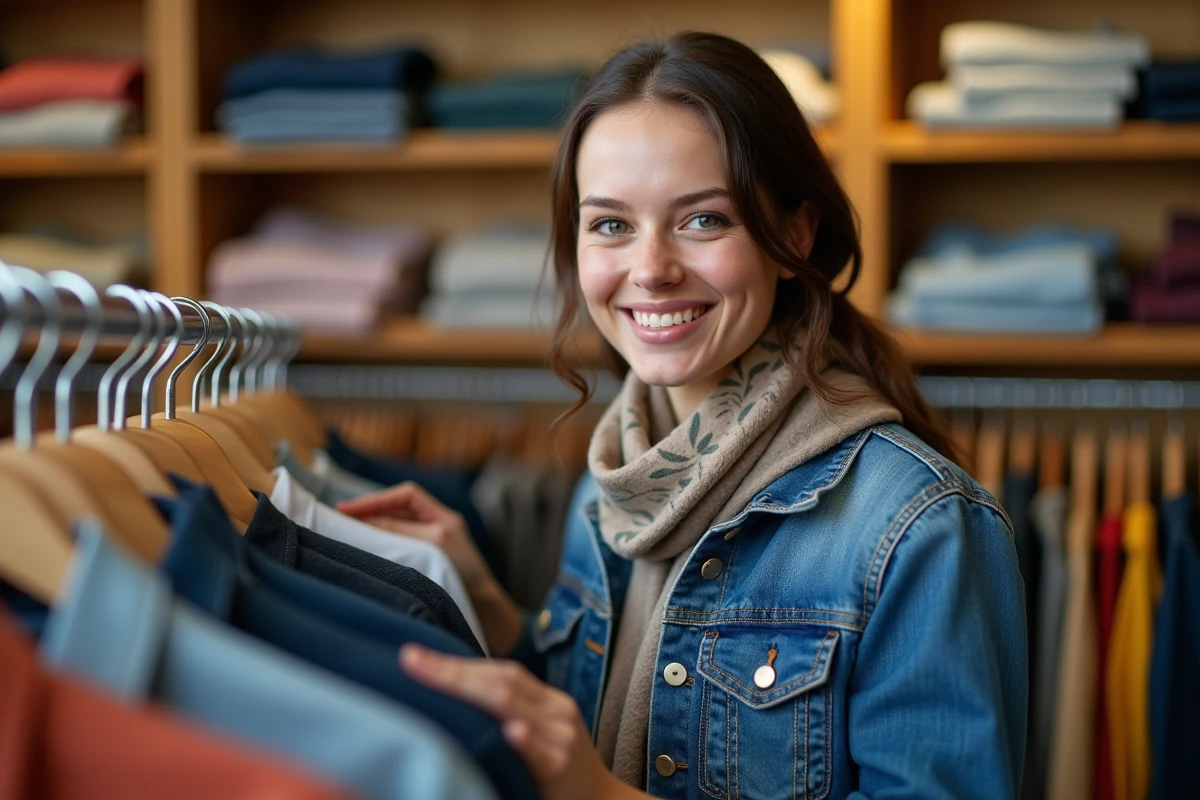
The “all accepted” label has never been part of Ding Fring. A shirt in perfect condition, a coat almost new: nothing passes the selection simply based on its appearance. Certain materials are never accepted, including fur and underwear, which are excluded without discussion. Sales are not automatic either: hours vary by store, quotas are sometimes set, and special operations occur. A rigorous approach is enforced everywhere, and each drop-off is subject to the discerning eye of sorting.
Every collected garment goes through a strict selection process. These steps, dictated by reuse channels, anchor Ding Fring in the local solidarity economy. Donations are used to support social projects, while paid take-back remains marginal and governed by strict rules. Nothing is left to chance: everything is about detail and transparency.
Why donating or selling your second-hand clothes changes the game for the planet and your wardrobe
Refreshing your wardrobe while reducing waste is possible. Putting clothes back into circulation, through donation or sale, like with the buyback of clothes at Ding Fring, initiates a virtuous cycle. Fewer clothes thrown away, fewer resources extracted, less pollution generated: every action limits the fashion industry’s impact on the planet. Reinjecting your pieces into the loop is a direct action against textile overconsumption.
Everything is organized within a local ecosystem. Clothes are collected, meticulously sorted in specialized centers, and then directed to the solidarity shop or, if that’s not possible, repurposed through recycling. This approach promotes local use, avoids unnecessary transport, and stimulates the circular economy in the area. The collection points spread throughout the city accelerate the pace, and everyone can join this local dynamic.
Changing your shopping habits also involves this. Second-hand reveals unique finds, often at low prices, giving meaning back to clothing purchases. Exploring other materials, stepping away from standardized collections, and supporting networks of solidarity shops means participating in an economy that makes a difference every day. Every garment taken back, sorted, and then put back on the market plays its role in a transition with tangible effects, both individually and collectively.
How does the buyback of clothes work at Ding Fring? Key steps to know
The buyback at Ding Fring relies on a precise mechanism designed to value every drop-off. You arrive at the store with clean, worn but still in good condition clothes, or you drop them off at a collection point in Bordeaux or elsewhere in France. No appointment is required: everything starts with the spontaneity of the donation. Then, each piece is sent to a sorting center, where professionals decide its future.
The selection process leaves no room for chance. Items suitable for a new life go directly to the solidarity shop for sale. Those deemed unsuitable for resale are sent for textile recycling. This organization resembles that of large solidarity clothing structures, capable of handling significant volumes while maintaining strict standards for future buyers.
Several key steps outline this circuit:
- Collection: drop-off at the store or at a dedicated collection point
- Sorting: inspection of condition, orientation to the appropriate channel
- Sale: reintegration on the shelves at accessible prices in Ding Fring stores
As for compensation, it depends on the volume, quality of the clothing, and the categories involved. Some locations pay immediately, while others prefer to offer a responsible voucher. This policy encourages collection while promoting a different consumption approach, focused on second life and local engagement.
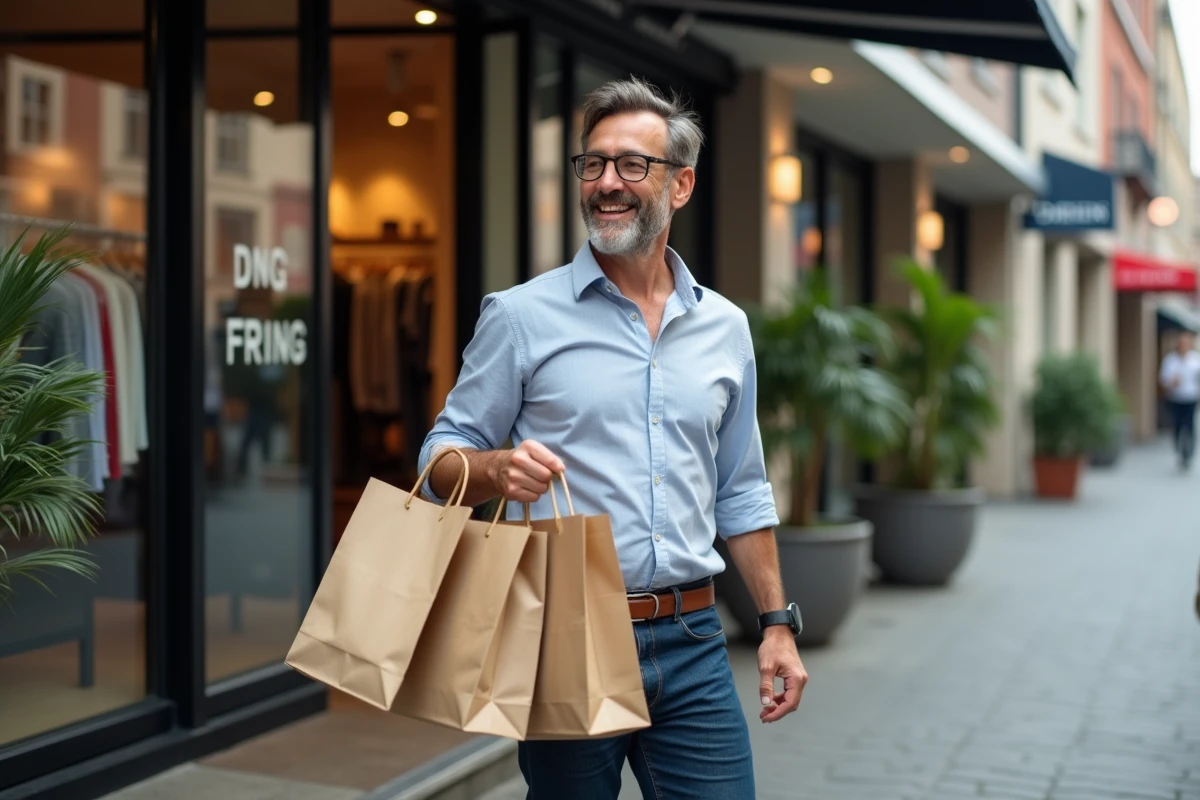
Participating in the local dynamic: initiatives, events, and tips for getting involved near you
Dropping off your clothes at Ding Fring is not just about decluttering your closet. It’s about joining a collective movement, where the solidarity shop becomes a meeting point. In Bordeaux and beyond, each collection point triggers new uses and weaves a direct link between donors, buyers, and associations.
To strengthen this dynamic, several actions are organized:
- Collaborative sorting days where volunteers and residents sort and guide
- Workshops to learn how to repair or customize textiles
- Event sales, true convivial highlights for the neighborhood
These gatherings create opportunities to exchange advice and best practices, as well as to involve your community. Participating in a collection during a seasonal campaign, proposing awareness-raising actions with local teams, everything is possible to give weight to a sustainable approach that goes beyond simple recycling.
Tips gathered from the field are worth noting: dropping off several garments at once, organizing solidarity collections at work or school, or communicating the locations of collection points around you. With each initiative, a new story takes shape. Proximity, regularity, solidarity: all simple levers that, over time, redefine fashion and shape the horizon of less discarded, more shared textiles.