Four hours facing a shoulder of lamb is much more than a question of patience: it is a test of truth for the cook. Here, precision matters more than speed, and the slightest deviation in temperature makes the difference between a golden crust and dull meat, between tender flesh and a disappointing result.
What makes a successful roast shoulder of lamb: key points to know
Even before putting anything in the oven, it all starts with the selection of the meat. A whole shoulder, keeping its bone, promises a juicy texture and powerful aromas. Choosing a boneless shoulder, easier to slice, means accepting a bit less character. Preparation allows for no slack: method, patience, and consistency make the difference.
The cooking method necessarily adapts to the cut. A boneless leg transforms into a tender piece in less than an hour at 180°C. If you leave the bone in, you must first attack at 240°C to sear the meat, then lower the temperature to let time work its magic. Some, fond of shredded textures, prefer very long cooking at 120°C, four hours or more. As for the Dutch oven, it offers a unique result in two hours, all in softness and depth.
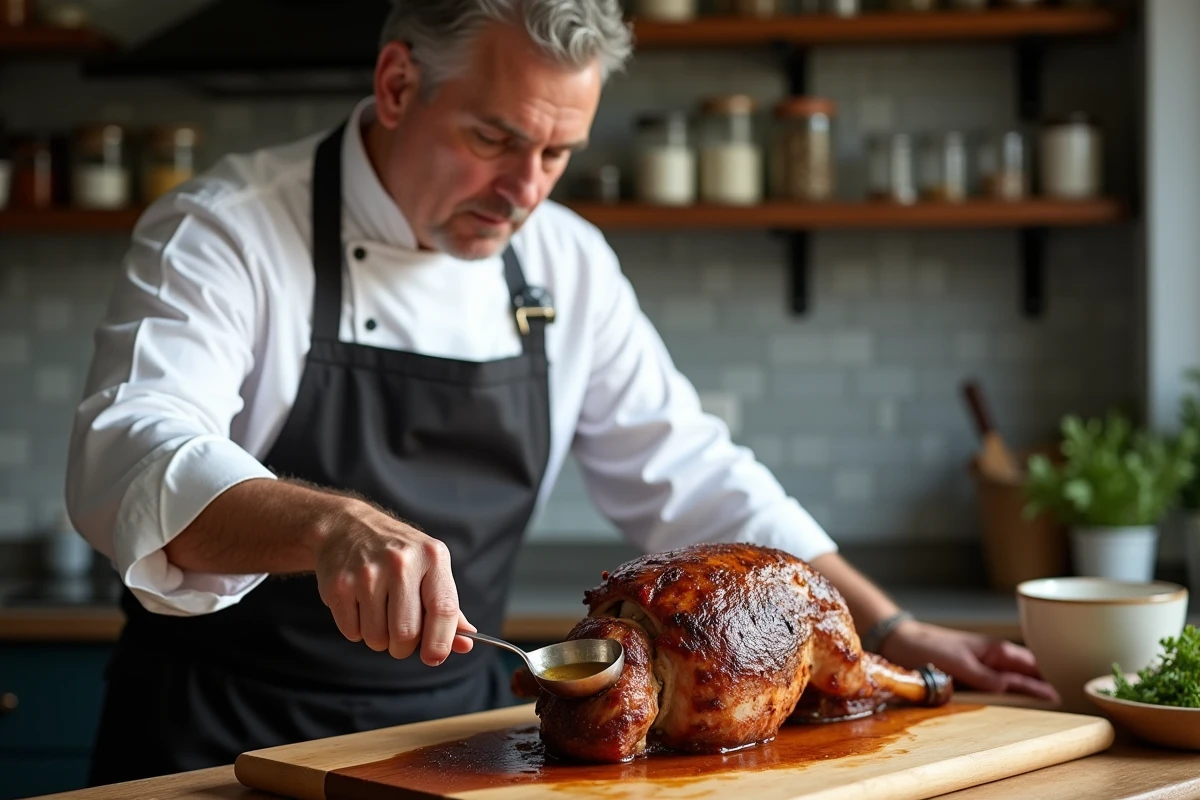
Every step counts for mastering the roast shoulder of lamb: a nice layer of fat protects the meat, regular basting prevents it from drying out, and just one minute of inattention can disrupt the whole thing. A careful gesture distinguishes the memorable plate from the one you forget.
The temperature rule is clear: for a perfectly pink and tender shoulder, aim for 65°C at the core. For a shredded result, 75°C is the target. It is up to each person to take responsibility for this choice, as it conditions all the pleasure of the meal.
How to adapt cooking according to your desires and the equipment you have?
It’s impossible to improvise if you don’t know the specifics of your oven. With a convection model, one hour at 180°C guarantees even and tender cooking. If your appliance only offers classic convection, the strategy changes: start high in temperature (240°C), then lower it for gentle cooking. Slow cooking at 120°C will appeal to the most patient, for a shoulder that falls apart on its own, while the Dutch oven ties together vegetables, juices, and meat like no other method.
Here’s a clear summary of the strengths of each technique:
- Convection ensures a result that is both crispy and tender.
- Long cooking at low temperature offers ultra-tender meat, perfect for sharing.
- The Dutch oven concentrates flavors and elevates both meat and garnish in an unmatched sauce.
A probe thermometer should always be within reach: it eliminates doubts. At 65°C, the meat remains juicy and pink; at 75°C, it shreds with a spoon. This technical detail alters the experience at the table.
Chef’s tips for a tender, flavorful, and perfectly golden shoulder of lamb
Forgetting to take the meat out of the refrigerator in time, and the whole dish loses tenderness. About twenty minutes at room temperature is enough. During this time, prepare a mixture of butter and olive oil, a few sprigs of thyme, rosemary, and bay leaf, plus a few cloves of garlic to enhance the aroma. A sprinkle of salt, a bit of pepper, and if you like, you can add a hint of cumin or a drop of honey.
As soon as the crust takes on color, be sure to baste the shoulder with the cooking juices. A bit of white or red wine added to the bottom of the dish enriches the sauce. Turning the shoulder from time to time allows for even browning. In the last few minutes, add carrots, potatoes, or even turnips to the dish to soak up the juices: these vegetables take their place on the table, and not just as a side.
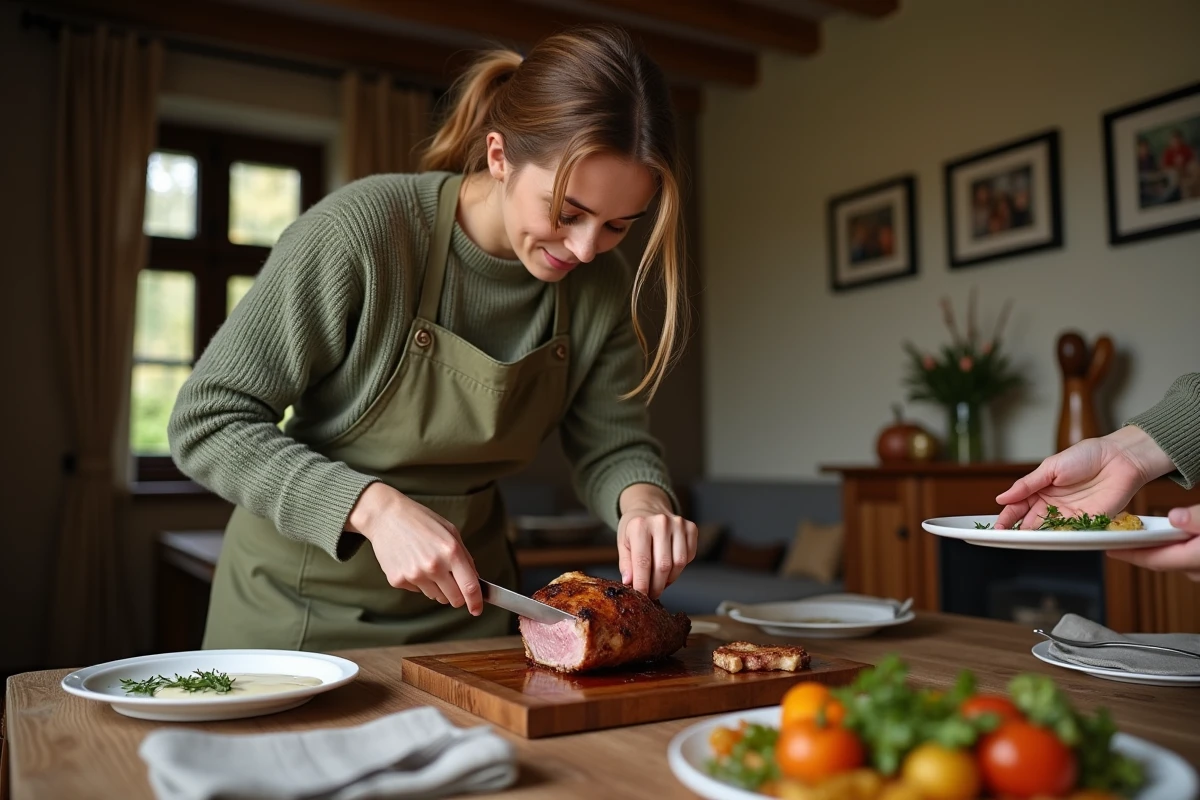
Take the time to let the meat rest after coming out of the oven, covered with parchment paper or aluminum, for ten minutes: this is when the juices relax and the slicing becomes clean, with beautifully tender flesh. Then it’s up to everyone to complete the meal according to their inspiration: golden gratin, creamy mash, roasted vegetables, or a slice of rustic bread, all of which enhance the pleasure of the dish.
Behind mastering the shoulder of lamb, there is often much more than a recipe: each batch, each set table brings its share of memories. There are those lingering aromas, the sharing, or the collective silence at the first bite, all winks that only a well-executed dish can offer.